

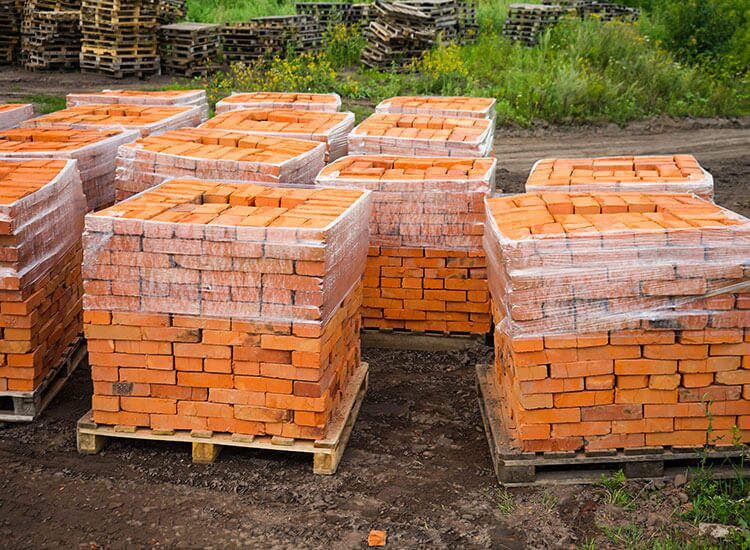

FIRE BRICKS (REFRACTORY BRICKS) IN KENYA
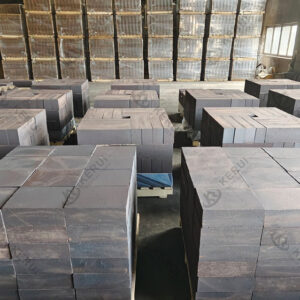
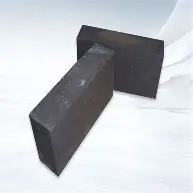
At Pamon Ventures Limited, your trusted partner in industrial castor wheels and mobility solutions, we also supply and install high-quality FIRE BRICKS in Kenya for industrial and commercial applications. These bricks are specially engineered to withstand extreme heat, chemical attack, and mechanical stress, making them essential for furnaces, boilers, incinerators, kilns, fireplaces, and other high-temperature systems.
Whether you are constructing a new plant, upgrading equipment, or repairing existing furnaces, our refractory bricks offer superior strength, durability, and insulation performance compared to ordinary bricks.
TYPES OF- FIRE BRICKS (REFRACTORY BRICKS) IN KENYA
In Kenya, refractory bricks are mainly classified based on their alumina content, which determines their temperature resistance. The two primary types are:
1. 40% Alumina Refractory Bricks
These are the most widely used in Kenya and East Africa due to their versatility.
Temperature rating: 1,370°C
Applications: Furnaces, combustion chambers, light-duty kilns, pizza ovens, fireplaces, and more.
Standard size: 230 × 115 × 75 mm
Weight: Approx. 4.2 kg
Advantages: Affordable, widely available, multipurpose.
2. 70% Alumina Refractory Bricks
These bricks are designed for high-temperature industrial applications.
Temperature rating: 1,785°C
Applications: Blast furnaces, industrial kilns, steel plants, and other high-heat environments.
Standard size: 230 × 115 × 75 mm
Weight: Approx. 5.3 kg
Color: Yellowish
Advantages: Superior refractoriness and structural integrity.
What Are – Refractory Bricks?
Refractory bricks—also called firebricks or heat-resistant bricks—are specially manufactured components that withstand high temperatures without melting, cracking, or deteriorating. Unlike regular clay bricks, they are made from alumina, silica, and heat-resistant minerals. This composition gives them exceptional thermal insulation, chemical resistance, and durability.
Difference Between Refractory Bricks and Regular Bricks
| Feature | Refractory Bricks (Firebricks) | Regular Bricks |
|---|---|---|
| Temperature Resistance | Up to 1,800°C | Up to 700°C |
| Composition | Alumina, silica, special clays | Clay and soil |
| Strength | High compressive strength | Moderate strength |
| Lifespan | 10–20 years with maintenance | 5–10 years |
| Applications | Furnaces, boilers, kilns, incinerators | Walls, pavements |
Prices of -FIRE BRICKS in Kenya
Prices vary depending on size, density, alumina content, and temperature rating:
-
Standard sizes (230 × 115 × 75 mm): KSh 185 – 350 per brick
-
High-alumina refractory bricks: KSh 350 – 600 per brick
-
Custom or insulating refractory bricks: Quoted on request
At Pamon Ventures Limited, we offer wholesale pricing, nationwide delivery, and professional installation services.
Lifespan of -FIRE BRICKS
With proper installation and maintenance, refractory bricks can last:
-
Domestic applications: 5–10 years
-
Industrial applications: 3–8 years (depending on heat load and chemical exposure)
Their lifespan depends on:
-
Operating temperature
-
Type of fuel
-
Frequency of use
-
Maintenance practices
We also provide refractory lining services to extend the life of your thermal equipment.
Other Names for Refractory Bricks
-
Fire Bricks
-
High-Alumina Bricks
-
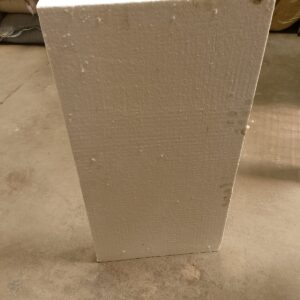
Insulating Fire Bricks (IFB)
-
Acid-Resistant Bricks
-
Thermal Bricks
Applications of Refractory Bricks in Kenya
-
Industrial furnaces
-
Incinerators
-
Boilers
-
Ceramic and cement kilns
-
Fireplaces and pizza ovens
-
Foundries and steel plants
Sillimanite Bricks vs Bauxite Bricks
-
Sillimanite bricks use sillimanite mineral as the base, offering high refractoriness and thermal stability.
-
Bauxite bricks use bauxite as the primary mineral, providing high alumina levels and suitability for severe thermal environments.
Both minerals supply alumina and silica—key elements needed to produce heat-resistant refractory bricks.
Using Fire Bricks in Construction
Always use refractory cement when installing fire bricks. This ensures proper bonding and preserves the thermodynamic integrity of the structure.
Common refractory cements in Kenya include:
-
HT Castable Cement
-
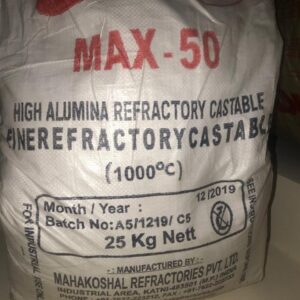
Maxheat K High Alumina Cement
-
Fire Clay
-
Blakite Cement
-
Fondu Cement
Why Our Firebricks Are Preferred in Kenya
-
Low thermal conductivity
-
Excellent resistance to acids and slags
-
High refractoriness
-
Superior thermal shock resistance
-
Strong mechanical strength
-
Good spalling and wear resistance
-
Excellent corrosion resistance
-
Low creep rate at high temperatures
-
High volume stability
-
Good insulation performance
Frequently Asked Questions FIRE BRICKS
1. What is the price of refractory bricks in Kenya?
Between KSh 180 – 600 depending on grade and size.
2. How long do refractory bricks last?
Approximately 3–10 years, depending on usage.
3. Can regular bricks replace firebricks?
No. Regular bricks crack under high heat and are unsafe for thermal applications.
4. What are the other names for refractory bricks?
Firebricks, high-alumina bricks, acid-resistant bricks, IFB.
5. Where can I buy refractory bricks in Kenya?
Directly from Pamon Ventures Limited, with delivery across Kenya and East Africa.
Contact Pamon Ventures Limited
Pamon Ventures Limited
📍 Industrial Area, Nairobi, Kenya
📧 [email protected]
📞 +254 721 914474
📱 WhatsApp: +254 724 894263

Reviews
There are no reviews yet.