

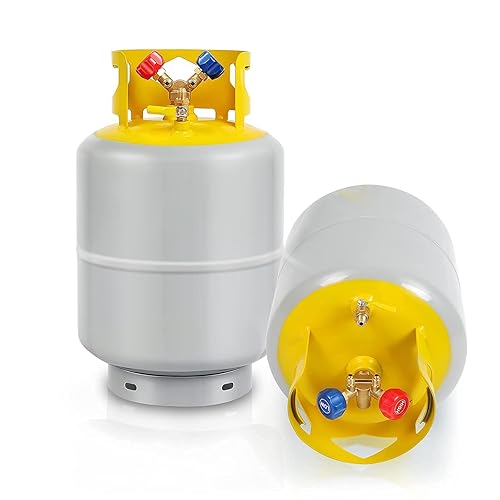

Refrigerant Recovery Cylinder for Safe
A Refrigerant Recovery Cylinder is a specially designed pressure vessel used to collect, store, and transport recovered refrigerants during HVAC and refrigeration servicing. At Pamon Ventures Ltd, we supply high-quality Refrigerant Recovery Cylinders that meet professional service standards for technicians and refrigeration engineers across Kenya, Uganda, and Tanzania.
Technicians use recovery cylinders when they remove refrigerant from air conditioners, chillers, refrigerators, and cold storage systems. The cylinder safely holds the recovered gas and prevents it from releasing into the atmosphere. This process protects the environment and supports responsible refrigerant management.
Manufacturers build Refrigerant Recovery Cylinders using strong steel construction to withstand high internal pressures. The cylinder includes a durable valve system that allows technicians to connect recovery machines easily. Technicians can then transfer refrigerant safely from the system to the cylinder during maintenance, repair, or system replacement.
Recovery cylinders also help technicians separate refrigerants properly. Many cylinders feature color coding and clear labeling so technicians can identify the refrigerant type quickly. This system reduces contamination and keeps recovered refrigerants safe for recycling or proper disposal.
HVAC professionals rely on Refrigerant Recovery Cylinders when performing routine service, leak repair, compressor replacement, or system decommissioning. The cylinder protects technicians, equipment, and the environment by ensuring safe refrigerant handling.
For HVAC service companies and refrigeration technicians, a Refrigerant Recovery Cylinder remains an essential tool for responsible refrigerant recovery and storage.
Key Features of Refrigerant Recovery Cylinder
• Heavy-duty steel cylinder construction.
• High pressure resistance for refrigerant storage.
• Durable service valve for easy connection.
• Safe storage for recovered refrigerant gases.
• Clear labeling for refrigerant identification.
• Designed for professional HVAC servicing.
Applications of Refrigerant Recovery Cylinder
• Air conditioner servicing.
• Refrigeration system maintenance.
• Refrigerant recovery operations.
• Cold room system repairs.
• HVAC equipment decommissioning.
Technicians use Refrigerant Recovery Cylinders to safely capture and transport refrigerant during servicing operations.
Frequently Asked Questions (FAQs)
What is a Refrigerant Recovery Cylinder used for.
Technicians use a Refrigerant Recovery Cylinder to store refrigerants removed from HVAC and refrigeration systems during servicing.
Can technicians store different refrigerants in one cylinder.
No. Technicians should store only one refrigerant type per cylinder to prevent contamination.
Why is refrigerant recovery important.
Refrigerant recovery prevents harmful gases from entering the atmosphere and supports environmental protection.
Is a recovery cylinders different from a refrigerants cylinder.
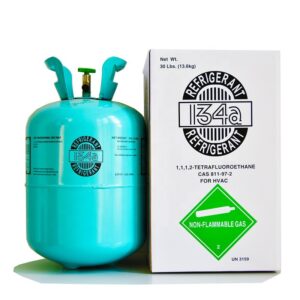
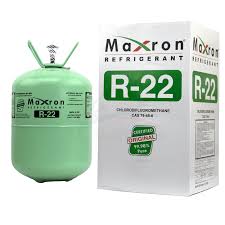
Yes. A recovery cylinders stores used refrigerant, while a refrigerants cylinder stores new refrigerant gas.
How should technicians handle a recovery cylinders.
Technicians should keep the cylinder upright, avoid overfilling, and store it in a cool, ventilated area.
Location and Contact
Pamon Ventures Ltd
Industrial Area, Nairobi
Email: [email protected]
Call: +254 721 914474
WhatsApp: +254 724 894263
We supply Refrigerant Recovery Cylinders and HVAC tools across Kenya, Uganda, and Tanzania.





Reviews
There are no reviews yet.